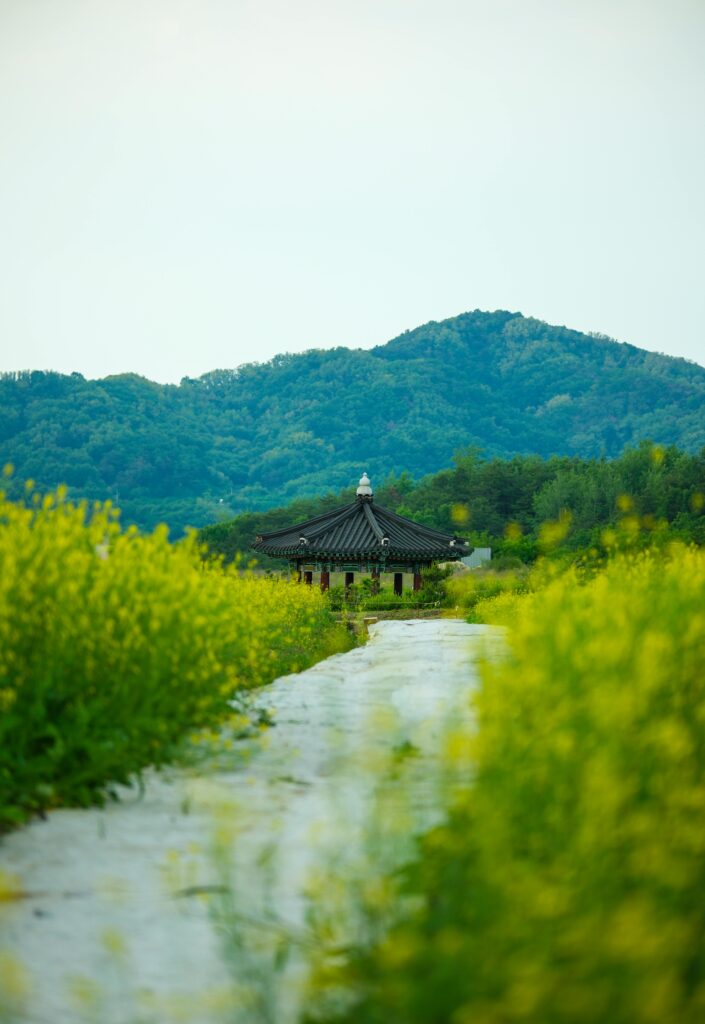

Modern Luxury = Perfect Safety (System) / Intended Inconvenience (Nature)
The wave of global interest that began with the neon-drenched choreography of K-pop and the fast-paced narrative grids of K-dramas has quietly breached a deeper, more silent shore. A few years ago, the digital timelines of international travelers were predictably uniform: a hyper-saturated mosaic of Myeong-dong’s street food, Hongdae’s busking crowds, and the mirrored glass canyons of Gangnam. Today, however, a distinct class of multi-visit travelers and global creative nomads are executing a radical detour. They are refusing the subway lines of Seoul, opting instead for rural buses with one-hour headways, traveling toward corners of the Korean peninsula where the streetlights are few and the silence is heavy.
They are leaving the capital to find the unlit country roads. To understand this shift is to understand a new geography of luxury—one defined not by accumulation, but by intentional subtraction.
1. The Infrastructure of Trust: A System That Does Not Betray
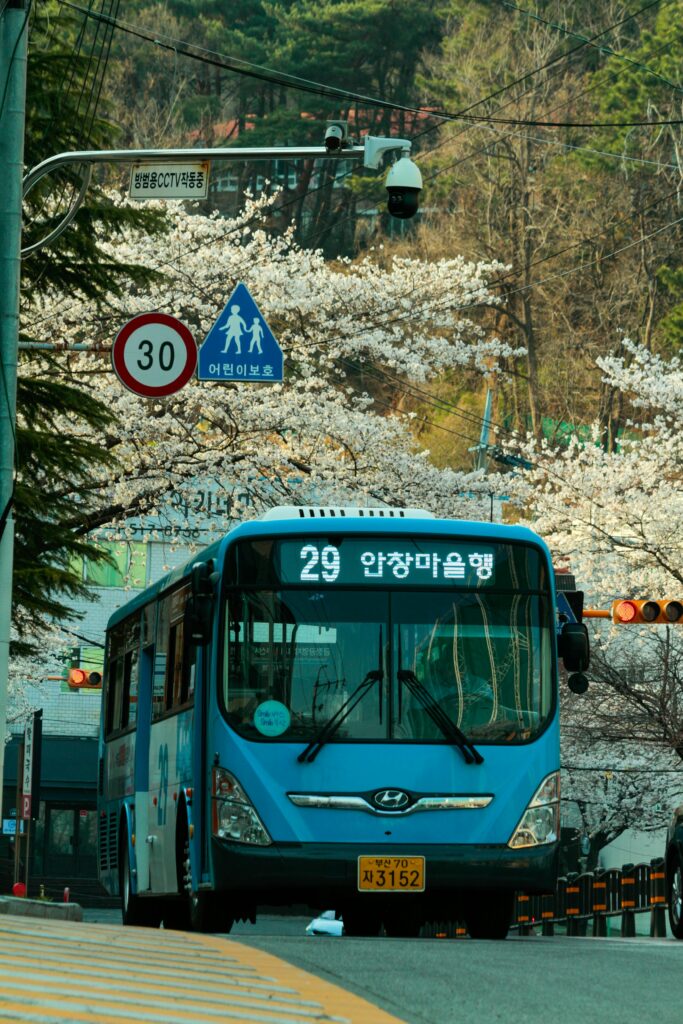
To the romantic observer, the migration of foreign travelers into the deep valleys of South Gyeongsang or the quiet fields of Jeolla Province looks like a rejection of modernity. It is nothing of the sort. This embrace of rural isolation is only possible because of the terrifyingly efficient, invisible infrastructure that underpins every square inch of the South Korean territory.
A global nomad can sit in a 200-year-old hanok in a village with a population of fifty and remain tethered to the world via a flawless 5G network. They can navigate trackless mountain paths because the nationwide digital cartography is exact. Most critically, they walk down unlit alleys at 11:00 PM with an absolute, unthinking assumption of physical safety. In Korea, safety is not a luxury you purchase; it is the atmospheric pressure of the state. It is a civic certainty so absolute that it becomes invisible. The traveler is free to romance the wilderness only because the system has guaranteed their survival in advance.
2. The Luxury of Inconvenience: Voluntary Isolation as a Premium Asset
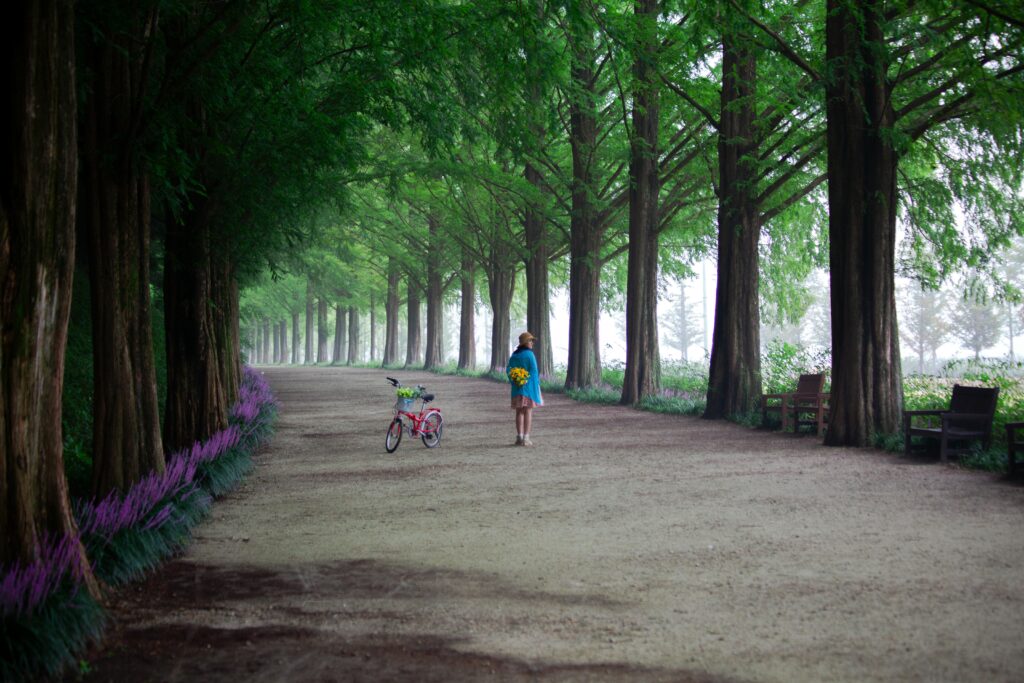
In a world engineered by Silicon Valley to be entirely frictionless, convenience has ceased to be a differentiator. When everything is immediate, friction becomes a commodity. The global creative class is realizing that the ultimate contemporary scarcity is not connectivity, but solitude—the ability to be unreachable without being unsafe.
This is where the Korean periphery excels. The physical inconveniences of the countryside—the slow local buses, the restaurants that close at sundown, the lack of English signage—are reinterpreted not as structural failures, but as a premium form of emotional quarantine. It is what we might call “Intentional Friction.” It forces a deceleration. When a traveler spends an hour figuring out a local train schedule, they are no longer passively consuming a destination; they are actively participating in their own presence. The inconvenience is the cure for the digital fatigue of the metropolis.
3. Emotional Archaeology: Cultural Capital and the Art of Distinction
There is also a strict currency of cultural capital at play. As global tourism becomes increasingly democratized and homogenized, “having been to Seoul” no longer functions as a marker of taste. True cultural distinction, as Pierre Bourdieu noted, requires a deeper, harder-to-acquire currency.
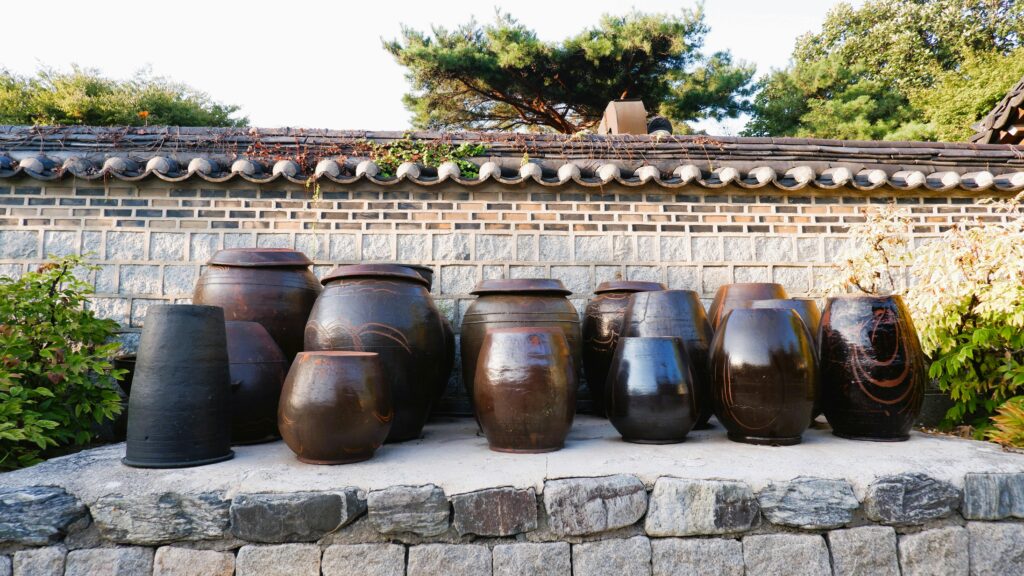
The global aesthetic elite are looking for the textured, time-worn layers of Korea—what can be described as “Emotional Archaeology.” They seek the coarse, unglazed surface of a Mungyeong tea bowl, the sharp, rhythmic snap of an Andong mask dance, or the slow, multi-generational fermentation inside the earthenware jars of Sunchang. On these trips, they do not just consume scenery; they engage with disappearing local ecosystems. Their presence becomes part of a critical socio-economic circuit, converting their premium travel spend into a sustainable economic lifeline for aging rural communities through interactions with local artisans, regional brewers, and independent hanok curators.
Conclusion: The Safety to Disappear
Ultimately, the growing allure of Korea’s rural periphery reveals a profound truth about the future of global travel. The modern traveler does not want to remain trapped inside the high-gloss cage of urban consumption. They want the liberty to step off the grid, to stand in the dark, to feel the genuine weight of a place that has not been polished for their arrival.
Korea’s unique triumph is its ability to offer the absolute wilderness without the absolute risk. It has constructed a society so flawlessly secure that it can offer its guests the greatest luxury of the twenty-first century: the total safety to completely disappear.